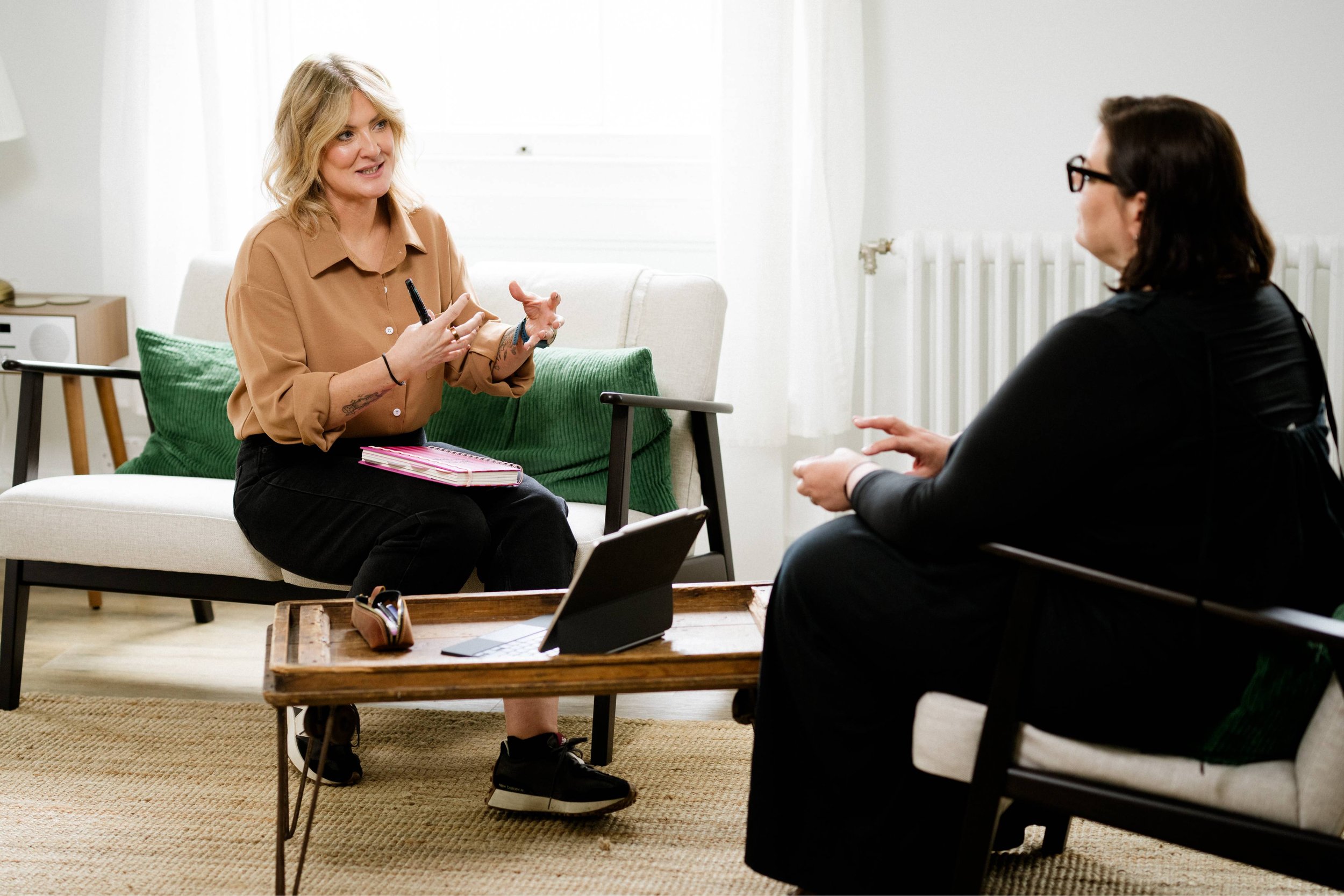
For Individuals
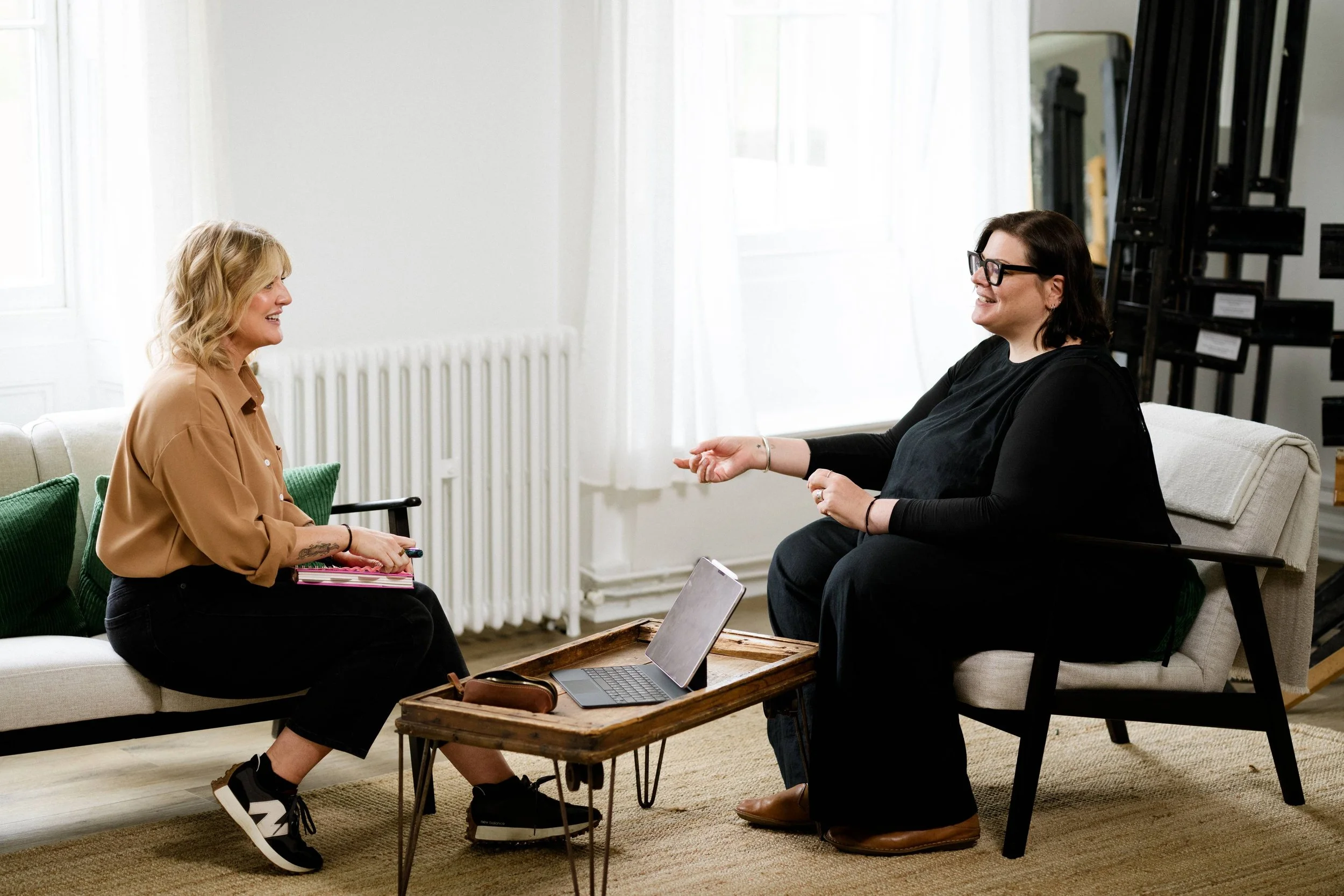
1:1 coaching
Some people come to me in crisis. Others come functioning well on the outside, quietly exhausted on the inside.
What they share is this: a sense that they are working far harder than they should have to, and that no one has ever looked at the full picture.
For many neurodivergent people, enormous energy goes into performing. Mimicking neurotypical behaviour. Masking in meetings, social spaces, workplaces - and paying for it later. The goal of this work isn't to manage that performance better. It's to stop needing it.
Together we build a genuinely accurate picture of how you function - what drains you, what energises you, what your nervous system actually needs. From there, we work on environments, boundaries, ways of working and living that use your real strengths instead of hiding them.
The result isn't a fixed version of you. It's clarity, relief, and a life that fits, without the shame, without the hiding, and without spending everything you have on looking like someone else.
If you've landed here, something probably isn't working the way you'd like it to.
Maybe you're exhausted in a way that sleep doesn't fix. Maybe you're managing everything on the outside while quietly struggling on the inside. Maybe you've been to the GP, seen the specialists, done the reading and still feel like no one has quite joined it all up.
Or maybe you're a parent watching your child struggle, holding the whole thing together, and slowly running out of road yourself.
You don't need a diagnosis to be here. You don't need to have it figured out. You just need to recognise something in what you're reading.
Why things feel complicated
For many of the people I work with, there isn't one thing going on. There's neurodivergence - diagnosed, suspected, or never quite named. There's a body that doesn't always cooperate. There's anxiety, or burnout, or a nervous system that's been on high alert for so long it's become the baseline. There's a life that looks fine from the outside and feels anything but.
These things don't exist separately. They're connected - to each other, to your history, to the environments you're in, to the way you've learned to cope. And that's exactly why seeing one specialist at a time, for one thing at a time, so often leaves people feeling still somehow missed.
My work is at that intersection.
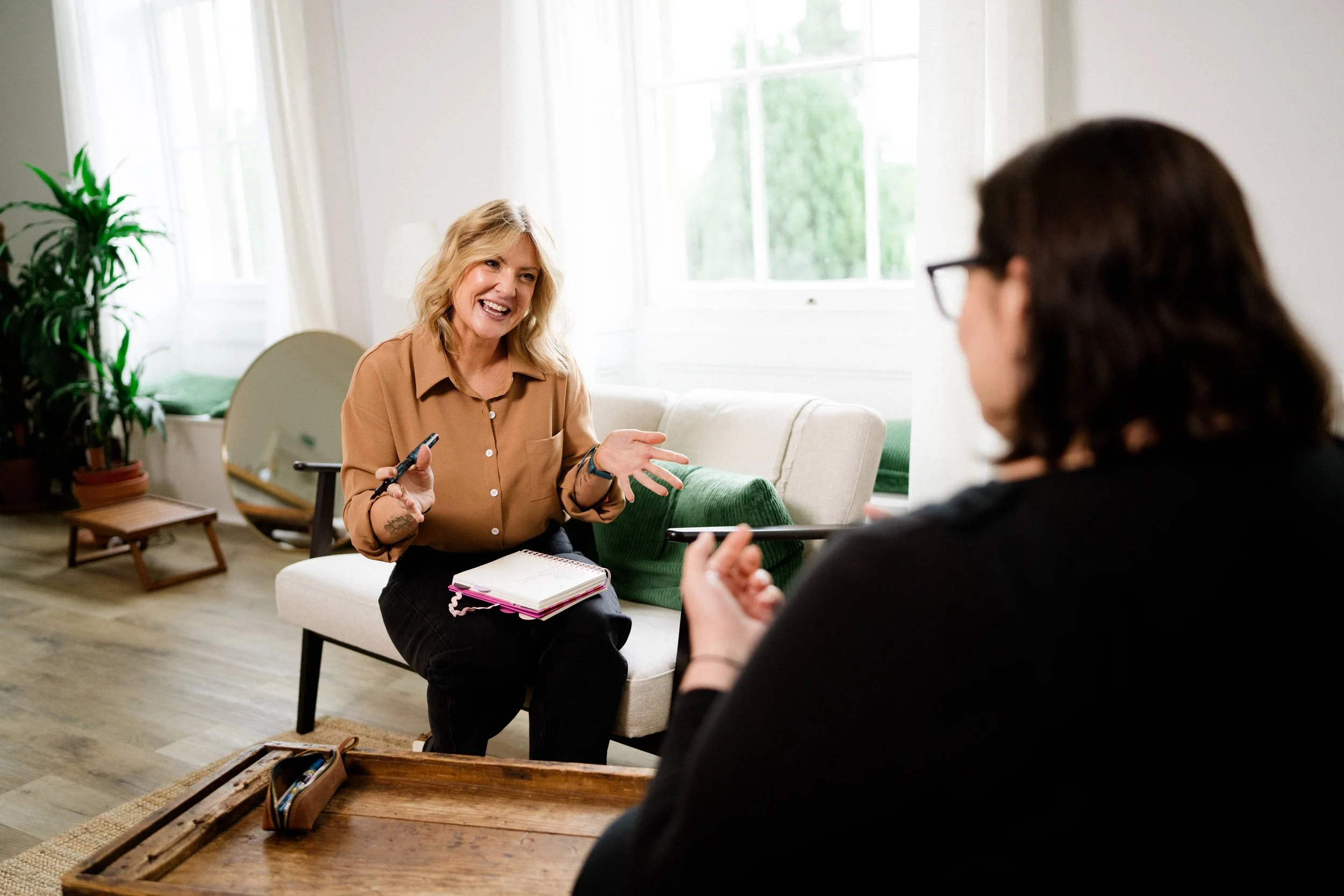
My coaching
suits people who…
✦ Navigating late-identified neurodivergence and making sense of what that means for how they live and work
✦ Exhausted by constantly adapting to environments that weren't built with them in mind
✦ Dealing with burnout, chronic overfunctioning, or the feeling that life is harder than it looks for everyone else
✦ Trying to find a way of working, parenting, or caregiving that doesn't cost them everything
✦ High-functioning on the outside but running on empty privately
✦ Living with a complicated relationship with chronic illness, their body or eating that they've never quite found the right support for
✦ What sustainable success looks like for you - not a generic version, yours
What we do together
Coaching with me is a space to slow down, look at the bigger picture, and start making sense of what's actually going on -without having to minimise, explain yourself, or keep performing being okay when you're not.
Together we might explore:
✦ What sustainable success looks like for you - not a generic version, yours
✦ Why you’re exhausted and what’s actually driving it
✦ How neurodivergence, physical health and the nervous system are connected in your specific life
✦ How to function, work and live in ways that fit who you are
The ‘Making Sense’ package
Making Sense
Understanding yourself more fully, and building a life that works with you, not against you.
What’s included
✦ Free 20 minute discovery call to explore where you are and where you’d like to be, as well as whether we would work well together
✦ Brief intake form before your first session so we can use our time well
✦ 6 x 60-minute Zoom sessions, fortnightly over 3 months
✦ Short follow-up notes or resources after sessions where relevant
✦ Email/WhatsApp contact between sessions for brief questions or check-ins

£450 full package or
£75 per session
The package structure is a starting point, not a fixed contract. We'll agree what works for you on your discovery call.
How it works
-
Book a free call
20 minutes to talk and see if we're a good fit
-
We agree a plan
Decide on sessions, pace, and what you want to work towards
-
We begin
Your first session, at a time that works for you
Frequently Asked Questions
Find answers to common questions about our coaching and consultancy services, what to expect, and how we can support your personal or professional growth.
-
Coaching is a thinking and working partnership. It's a dedicated space to step back, make sense of what's going on, and find ways forward that actually fit you. Unlike therapy, it isn't about diagnosing or treating - it's forward-looking, focused on where you are now and where you want to get to. And unlike advice, it isn't me telling you what to do. It's us working it out together.
Above all, this is a space where you don't have to minimise or explain away your complexity in order to be understood.
Some people arrive wanting space to reflect and untangle patterns that have become difficult to see from the inside. Others come with specific challenges - around work, relationships, parenting, health, burnout or decision-making.
Sessions are both reflective and practical. Depending on what you bring, we might explore nervous system patterns, sustainable ways of working, the environments around you, or concrete next steps. Some sessions are more exploratory, others more structured - most are a mixture of both.
The aim is always the same: to help you move beyond simply coping, towards a calmer, more sustainable way of living and working - one that doesn't ask you to break yourself to keep up.
-
People come to this work from many different places.
Some are exhausted and overwhelmed. Some are high-functioning externally but struggling privately. Some are navigating neurodivergence, burnout, chronic illness, parenthood or changing capacity. Others are trying to build lives and careers that feel sustainable rather than simply survivable.
Together, we might explore:
identity, self-understanding and late-identified neurodivergence
burnout, overwhelm and chronic overfunctioning
leadership, ambition and sustainable success
fluctuating energy, chronic illness and changing capacity
hypermobility-related conditions including hEDS/HSD, POTS and MCAS
ARFID and complex relationships with food
people-pleasing, masking and the pressure to hold everything together
navigating workplaces, systems and environments that don’t fit
balancing work, parenting, health and emotional load
understanding strengths, patterns and nervous system responses more clearly
building ways of living and working that feel healthier, calmer and more sustainable
Coaching is always tailored to the individual. You do not need to fit neatly into one category to belong here.
-
Many of the professionals I work with are highly capable people carrying significant responsibility - often while privately navigating burnout, neurodivergence, chronic health issues, nervous system overwhelm or changing capacity.
Outward success does not always reflect internal sustainability.
Some clients come wanting support around leadership, communication, confidence or workplace dynamics. Others are trying to understand why ways of working that once felt manageable no longer do. For neurodivergent professionals especially, years of masking, overfunctioning and adapting can eventually become difficult to sustain.
Together we might work through a career decision, a difficult team dynamic, a looming promotion, or the question of how to stay ambitious without sacrificing your health - building ways of working and leading that feel healthier, more effective and genuinely sustainable over time.
I also understand the realities of complex systems, high-pressure professional roles and demanding healthcare environments - which often shapes the work we do together.
-
Parenting or caring for a neurodivergent child, young person or family member can be deeply meaningful — and also emotionally relentless.
Coaching gives you somewhere to put it all down for an hour and think about the bigger picture: your capacity, your nervous system, your relationships and what sustainable family life might actually look like for you.
You deserve to feel better for your own sake — not just so you can keep going for everyone else. Your wellbeing matters in its own right. And while it's often true that a steadier, less depleted parent has more to give, that's a welcome side effect, not the reason. The reason is you.
The aim is not perfect parenting. It's helping you feel more supported, more resourced and less alone in carrying what you're carrying.
-
Many neurodivergent people spend years adapting to environments that do not fully support how they think, process, communicate or function.
Sometimes this presents as burnout, anxiety, exhaustion or chronic overwhelm. Sometimes it looks like overachievement, perfectionism or functioning highly externally while struggling internally. For many people, physical health, nervous system regulation and emotional wellbeing are deeply interconnected rather than separate experiences.
My work supports neurodivergent individuals in making sense of the bigger picture of themselves — helping people better understand their patterns, strengths, needs, capacity and environments, while building ways of living and working that feel more sustainable and aligned.
You do not need a formal diagnosis to access coaching.
My work is informed not only by clinical experience, but by several years of dedicated additional study in neurodivergence and related areas. This has included formal mental health training, specialist autism and ARFID education, nervous system-informed approaches, and extensive engagement with both professional and lived-experience-informed learning.
-
Sessions are currently offered online via Zoom.
Coaching sessions are typically 60 minutes, although longer sessions can sometimes be arranged where appropriate.
Some people come for short-term focused work around a specific challenge or transition. Others prefer ongoing reflective support over a longer period of time.
Frequency is flexible and discussed collaboratively depending on your needs, capacity and circumstances.
Coaching is an investment, and I want to be straightforward about that. Sessions are £75 until January 2027 while I complete my coaching accreditation, rising to £200 per session post-accreditation. Blocks of 6 sessions are available. I hold a small number of reduced rate spaces for people where cost is a genuine barrier. If you're unsure whether this is financially feasible, just ask - I'd rather have an honest conversation than have cost be the thing that stops someone getting support.
If you are unsure whether coaching is the right fit, you are very welcome to get in touch for an initial conversation.
-
Is this therapy?
Coaching is different from therapy. It is forward-looking and focused on helping people better understand themselves, navigate challenges and move towards meaningful change.
My approach is reflective, psychologically informed and grounded in a deep understanding of complexity, nervous system wellbeing and lived experience, but coaching is not a substitute for medical or mental health treatment.
Do I need a formal diagnosis?
No. Many people come to coaching while exploring neurodivergence, questioning long-standing patterns or trying to make sense of experiences that have never fully fitted into one category.
Can we talk about physical health as well as neurodivergence?
Absolutely. Physical health, mental health, nervous system functioning and everyday life are often deeply interconnected, and many people find it helpful to work with someone who understands those overlaps.
Can coaching support work, career or leadership challenges?
Yes. Many people come to coaching wanting support around work, leadership, communication, career decisions, workplace dynamics, burnout, confidence or navigating periods of professional change.
Often the work is not simply about productivity or performance in isolation, but about understanding how neurodivergence, nervous system functioning, health, identity, pressure and environment interact within working life.
Coaching can help people think more clearly, work more sustainably and make decisions that feel better aligned with who they are and how they function best.
Is coaching only for people who are struggling?
Not at all. Some people come to coaching during periods of significant burnout or overwhelm. Others come because they want space to think more clearly, understand themselves more fully or make intentional changes in how they live and work.
Coaching can be supportive during challenge, but it can also be developmental, reflective and growth-oriented.
What if I don’t know exactly what I need?
That is completely fine. Many people arrive simply knowing that something about the way they are currently living or functioning no longer feels sustainable.
Part of the work is creating space to untangle things together and understand what may actually be going on underneath the surface.
What happens in a session?
Sessions are conversational, collaborative and tailored to what feels most useful for you.
Some sessions are more reflective and exploratory. Others are more practical and problem-solving focused. Most are a mixture of both.
Depending on what you bring into the work, sessions may include reflection, psychoeducation, strategy, nervous system awareness, communication approaches, workplace thinking, values exploration or practical next steps.
Do you work online?
Yes. Sessions are currently offered online via Zoom.
How often do sessions happen?
This varies depending on the person and what they are looking for. Some people prefer weekly or fortnightly sessions, while others work more flexibly around capacity, work or life demands.
We can discuss what feels most supportive and sustainable for you.
How many sessions will I need?
There’s no expectation to commit to a set number of sessions. Many people find around six sessions helpful as a starting point, though this can be more or less depending on what support feels right for you.
What kinds of people do you work with?
I work with a wide range of people, including neurodivergent adults, professionals, leaders, parents, caregivers and people navigating complex overlaps between health, work, identity and everyday life.
Many of the people I work with are thoughtful, capable people who have spent a long time adapting to environments or expectations that were never fully sustainable for them.
What if I’m not sure coaching is the right fit?
You are very welcome to get in touch for an initial conversation.
I understand that reaching out can feel vulnerable, especially for people who are used to carrying a great deal alone. There is no expectation to have everything figured out before making contact.
-
The first step is a free 20 minute call. No commitment, no pressure - just a conversation to see whether this feels like the right fit.
You don't need to know what you need. You don't need to have the words ready. You just need to show up.
I also know that for many neurodivergent people, phone calls are hard. Email is absolutely fine. WhatsApp too. We'll communicate in whatever way works best for you.
Get In Touch
Whether you’re looking for training, consultancy, speaking, or simply want to explore whether I’m the right fit, you’re very welcome to get in touch.
I know that the work people bring to me is often personal, complex, or hard to put neatly into words - so you don’t need to arrive with a perfectly formed brief. A conversation is enough.
I also know that some people find phone calls challenging so please let me know how you’d prefer to communicate (phone, email, whatsapp).
If you’re ready to dive straight in, book a free 20 minute chat and we can get started.